November 6, 2026
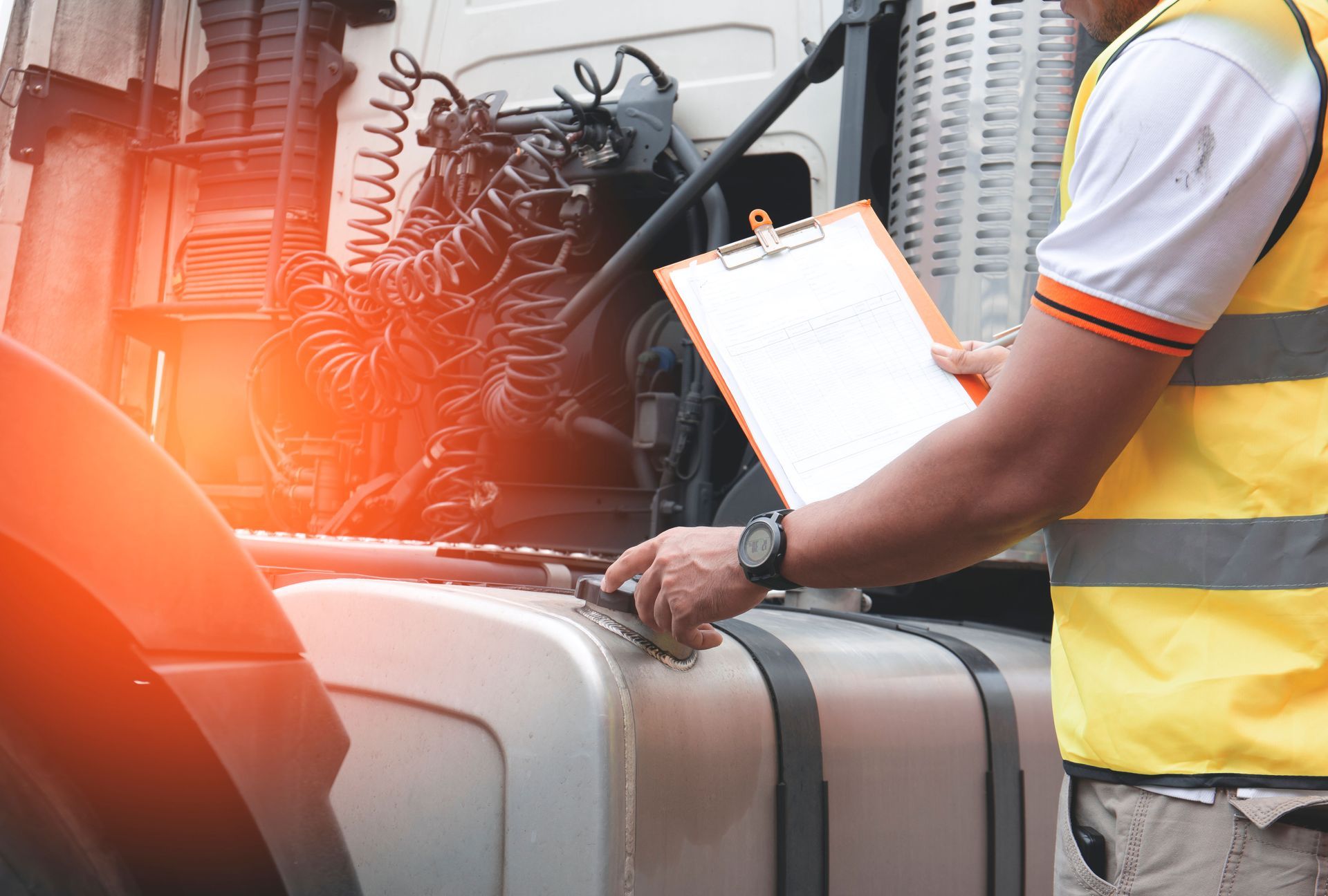
Hauling heavy freight across long distances places immense stress on every single component of a commercial rig. While modern transportation equipment is specifically designed for long-term durability and rigorous daily use, constantly operating near maximum weight capacity inevitably accelerates the degradation of various essential mechanisms. Fleet managers, maintenance technicians, and independent operators alike understand that proactive maintenance is the ultimate key to preventing roadside breakdowns and costly delivery delays. However, knowing exactly where to look during routine inspections can save significant time and financial resources. Certain mechanisms inevitably degrade much faster than others due to the intense friction, heat, and sheer physical force involved in transporting massive loads across the country. When a single truck trailer part fails unexpectedly on the highway, it can compromise the safety of the entire vehicle and everything sharing the road with it. By clearly understanding which specific components bear the brunt of this extreme operational stress, drivers can anticipate needed replacements well before catastrophic failures occur. Regular, detailed monitoring of these high-stress areas ensures that the rig remains in peak operational condition, protecting both the valuable cargo being transported and the overall bottom line of the logistics operation.
Suspension Systems
The suspension system is tasked with the unforgiving job of absorbing the continuous impacts from uneven road surfaces while simultaneously supporting the immense weight of the cargo resting above it. When a rig is consistently loaded to its absolute maximum capacity, the suspension elements are forced to work exponentially harder to maintain vehicle stability and driver control. Leaf springs, in particular, are highly susceptible to structural fatigue and flattening over extended periods of heavy hauling. As these heavy-duty springs repeatedly compress and expand under extreme weight, the hardened metal begins to slowly lose its inherent elasticity and rebound capability. Eventually, this constant mechanical flexing can lead to microscopic metal fractures and complete spring failure. Air ride suspensions also face significant wear, as the flexible airbags can develop slow leaks and automatic leveling valves can malfunction under constant heavy pressure. A compromised suspension not only leads to a harsh, unstable ride that can damage fragile cargo, but it also places unnatural, twisting stress on the chassis and other structural components. Finding a suitable replacement truck trailer part for a failing suspension quickly is essential to restoring the proper load distribution and ride height required for safe driving conditions.
Braking Mechanisms
Stopping a massive, fully loaded rig requires an extraordinary amount of friction, which naturally translates into intense heat generation and rapid material degradation. The braking system is arguably the most critical safety feature on the entire vehicle, and it experiences some of the most aggressive wear during heavy hauling operations. Brake pads and shoes are intentionally designed to wear away as they grip the metal drums or rotors, but excessive cargo weight forces these softer materials to deteriorate at a highly accelerated rate. The immense thermal stress generated during long downhill descents or sudden emergency stops can cause dangerous brake fading, surface glazing, and even severely warped drums. According to Mordor Intelligence, steel accounted for 63.22% of the truck trailer market share in 2025. This heavy reliance on durable metals highlights the industry's continuous need for robust, heat-resistant materials that can withstand extreme operational demands. Even with strong metallic foundations, the constant friction inevitably necessitates frequent maintenance and scheduled replacements. Sourcing a high-quality truck trailer part for the braking system is absolutely critical to ensuring that the rig can safely decelerate and always maintain optimal stopping distances under maximum load conditions.
Tire Assemblies
The tires represent the only physical point of contact between a heavily loaded rig and the unforgiving highway surface, making them a primary and immediate casualty of excessive weight. Heavy cargo significantly increases the rolling resistance and overall operating temperature of the tires, which directly and rapidly accelerates tread wear. Overloaded driving conditions can cause the internal tire casing to flex well beyond its intended design parameters, dramatically increasing the risk of sudden blowouts and dangerous tread separation on the highway. Uneven load distribution further complicates this serious issue, causing irregular wear patterns such as cupping or shoulder scrubbing that can prematurely end a very expensive tire's usable lifespan. The wheels themselves also endure immense physical stress, with the steel rims and lug nuts bearing the relentless burden of the load's lateral and vertical forces during tight turns. Regular visual inspections of tire pressure and tread depth are absolutely mandatory for safe operation, as underinflated tires subjected to extreme weight will overheat rapidly. When damage or excessive wear is detected, installing a fresh truck trailer part for the wheel assembly prevents catastrophic blowouts that could easily lead to severe accidents or extensive equipment damage.
Axle Bearings
While axles are engineered to be incredibly robust, they are certainly not immune to the continuous bending and torsional forces applied by maximum payload capacities. The sheer downward physical force of a heavy load can cause slight, almost imperceptible deflections in the axle housing, which over time can unfortunately lead to permanent bending or deep structural fatigue. However, the absolute most vulnerable components within this entire lower area are the wheel bearings. These essential, precision-machined mechanisms are entirely responsible for allowing the wheels to spin smoothly under immense pressure while simultaneously supporting the entire weight of the cargo. Heavy loads generate substantial friction and extreme heat within the bearing assemblies, which can quickly degrade the lubricating grease packed inside. Once the vital lubrication is compromised, harsh metal-on-metal contact occurs, leading to rapid scoring, overheating, and eventual total bearing seizure. A seized bearing can destroy the axle spindle and even cause the wheel hub to detach entirely while the vehicle is in motion. Identifying abnormal heat or grinding noises early allows operators to secure the right truck trailer part and replace the worn bearings before they compromise the structural integrity of the axle assembly.
Coupling Mechanisms
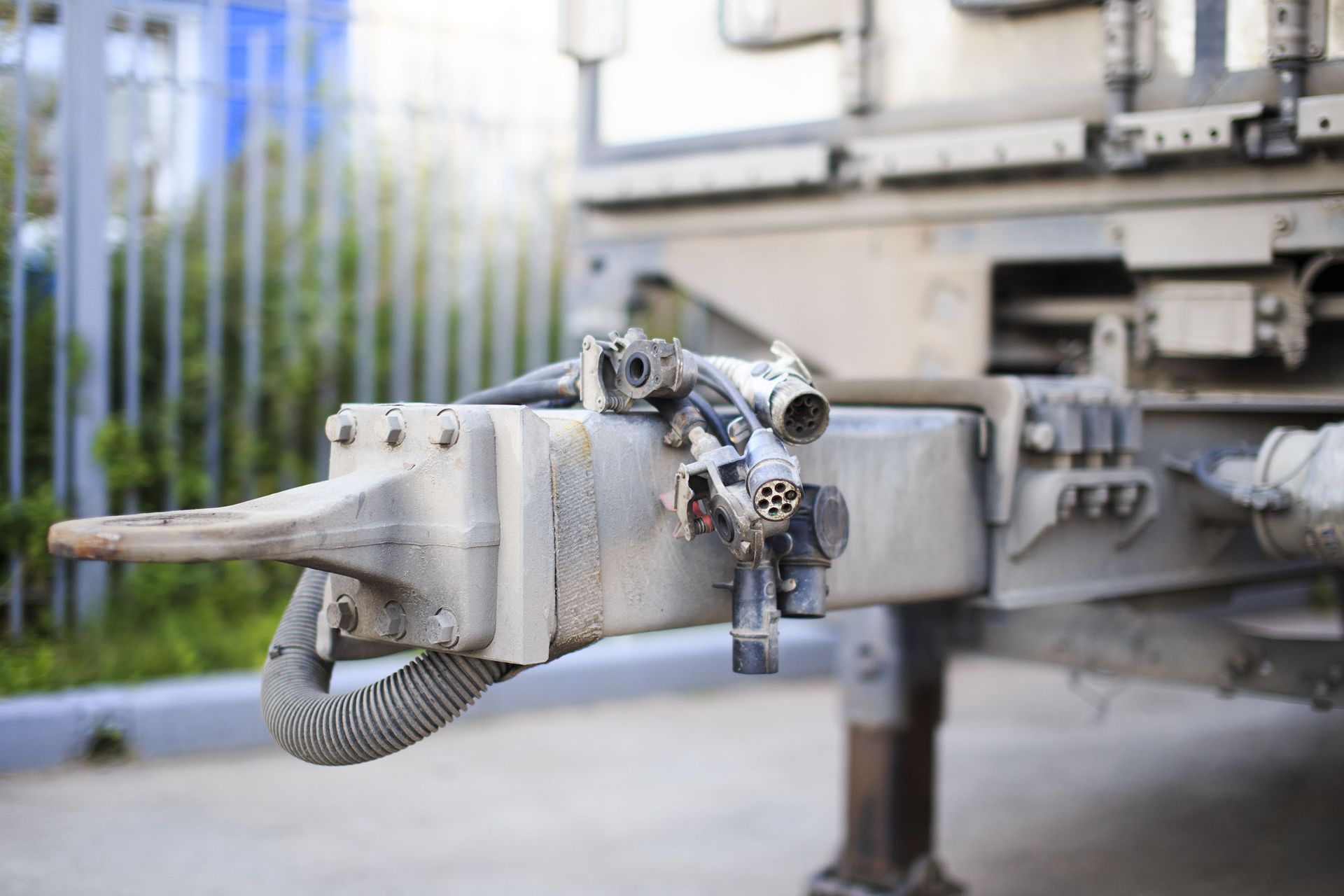
The crucial connection point between the heavy-duty tractor and the massive load is subjected to intense dynamic forces from every possible direction during transit. The fifth wheel and kingpin endure constant pulling, pushing, and twisting as the rig accelerates from a stop, brakes aggressively, and navigates tight, challenging turns. Heavy loads exponentially amplify these physical forces, causing the locking jaws and the solid kingpin itself to slowly grind against one another with immense pressure. Even with generous and frequent daily applications of specialized heavy-duty grease, this relentless metal-to-metal contact eventually wears down the critical locking mechanisms over time. If the kingpin becomes too worn or the locking jaws lose their exceptionally tight grip, the connection becomes loose and unstable, creating a highly dangerous driving situation characterized by harsh chucking and jarring mechanical movements. Routine micrometer measurements are continually required to definitively ensure the kingpin has not worn past its safe operational tolerances. When excessive wear is discovered in the coupling area, replacing the specific truck trailer part immediately is a non-negotiable safety requirement to ensure the heavy load remains securely attached to the tractor across all driving conditions.
Maintaining a rigorous inspection schedule is the most effective strategy for managing the accelerated wear and tear associated with hauling maximum payload capacities. Fleet operators must remain highly vigilant, closely monitoring the suspension, brakes, tires, axles, and coupling systems for any early signs of severe degradation. By addressing these minor mechanical issues before they evolve into major failures, transport professionals can significantly extend the usable lifespan of their valuable equipment and ensure the safety of their drivers on the open road. Ignoring the physical toll that excessive weight takes on a vehicle will inevitably lead to disastrous breakdowns and highly expensive emergency towing fees. When it is finally time to upgrade or replace worn-out components, partnering with a trusted and knowledgeable supplier makes all the difference in achieving long-lasting reliability. If you need a durable and reliable truck trailer part to keep your commercial rig rolling safely down the highway, reach out to the experts at Commonwealth Trailer Parts Inc today to learn more about our extensive inventory.