September 4, 2026
Modern truck trailers are built to withstand demanding conditions, from heavy payloads and long highway trips to frequent loading and unloading. However, even well-engineered equipment can experience premature wear when its components are not properly maintained. Routine inspections, timely repairs, and appropriate care can help preserve performance while reducing the likelihood of costly breakdowns.
According to IBISWorld, more than 2,700 truck trailer manufacturing businesses operate in the United States. With so many manufacturers producing equipment for different industries and applications, owners have access to a wide range of trailer designs and components. Regardless of the specific model, proper maintenance remains one of the most effective ways to protect that investment.
What Are the Essential Components of a Truck Trailer?
A trailer consists of numerous components that work together to support cargo, provide stability, and allow the equipment to operate safely. Understanding these parts can help owners recognize why regular maintenance is important and identify potential problems before they become serious.
The frame is one of the most fundamental components. It supports the trailer body and transfers the weight of the cargo toward the axles and suspension system. Because the frame is exposed to substantial stress, inspections should look for cracks, corrosion, deformation, or other signs of structural damage.
The axle and suspension systems are equally important. These components support the trailer's weight while helping absorb impacts and maintain proper contact between the tires and road. Worn suspension components can affect handling, tire wear, and overall stability.
Wheels, tires, and braking components also require consistent attention. Proper tire inflation, adequate tread depth, and functional brakes are essential for safe operation. Wheel bearings should also be inspected and serviced according to manufacturer recommendations.
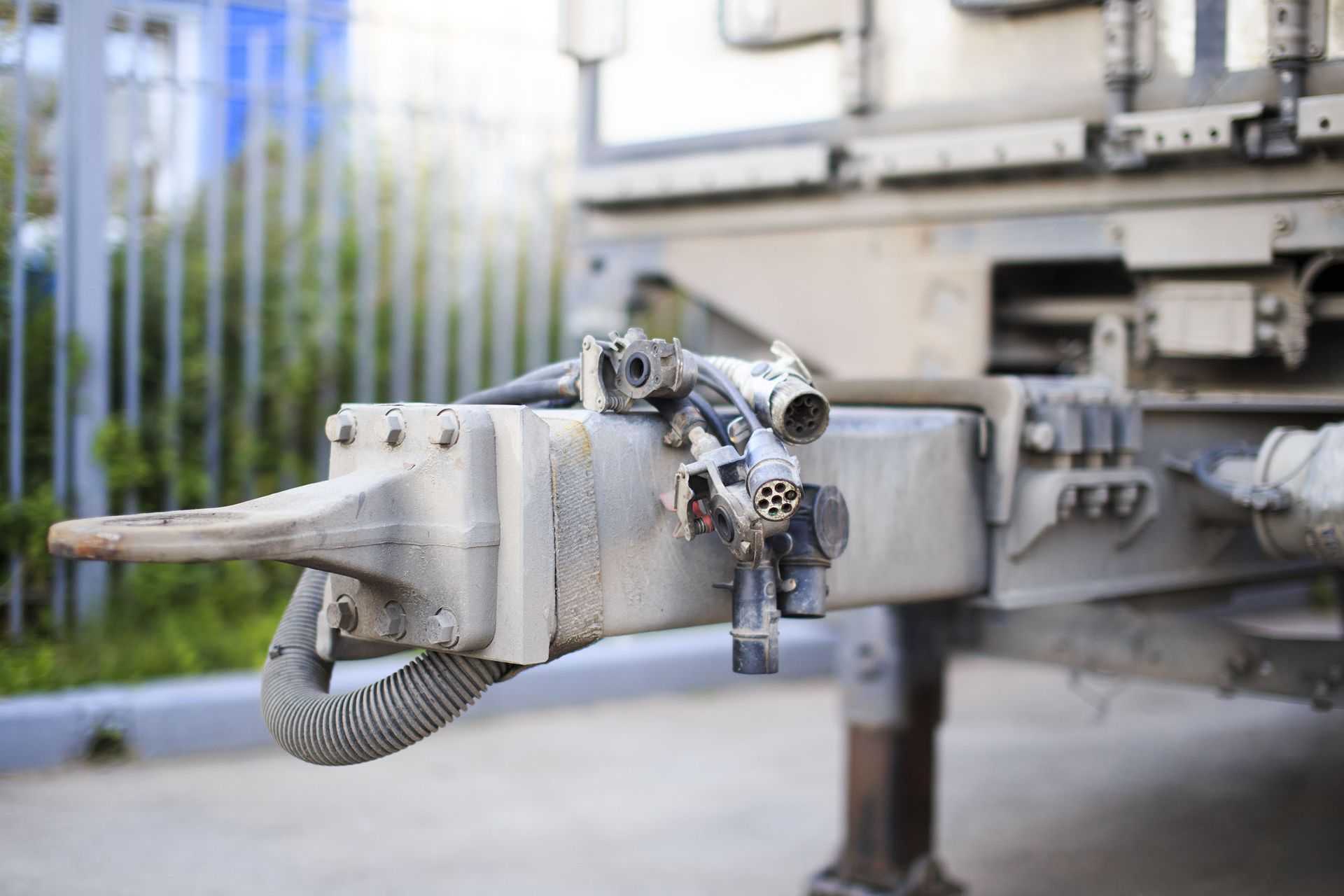
Other important components include lights, electrical connections, landing gear, doors, hinges, couplings, and safety equipment. Depending on the trailer's design, additional equipment such as refrigeration systems, hydraulic components, or specialized cargo restraints may require their own maintenance schedules.
How Often Should Maintenance Be Performed on Truck Trailers?
There is no single maintenance schedule that applies to every trailer. Service intervals depend on factors such as mileage, age, operating environment, cargo weight, road conditions, and the type of equipment being used.
A basic inspection should take place before trips, particularly when a trailer is being used regularly. Drivers can check tires, lights, brakes, connections, doors, and visible structural components before heading onto the road. These inspections can identify straightforward problems before they interfere with a trip.
More thorough inspections should be performed periodically. During scheduled service, technicians can examine wheel-end components, suspension parts, braking systems, electrical connections, and structural areas that may not be easily visible during a walk-around inspection.
Maintenance records can make this process easier to manage. Recording inspections, repairs, component replacements, and service dates gives owners a clearer picture of a trailer's condition. It can also help identify recurring issues that may indicate a larger problem.
Truck trailers that operate in harsh environments may require more frequent attention. Exposure to road salt, moisture, mud, extreme temperatures, and heavy loads can accelerate deterioration. A trailer used frequently in these conditions should not necessarily be maintained according to the same schedule as equipment operating under lighter conditions.
What Are Common Signs of Wear and Tear in Truck Trailers?
Recognizing early warning signs is one of the most effective ways to prevent minor component problems from becoming major repairs. Unusual noises, vibrations, uneven tire wear, and changes in braking performance can all indicate that something requires attention.
Tires are particularly useful indicators of potential mechanical problems. Uneven wear may result from improper inflation, alignment issues, suspension problems, or other conditions affecting the trailer's running gear. Addressing the underlying cause is important rather than simply replacing the damaged tire.
Rust and corrosion should also receive attention. Surface corrosion may initially appear cosmetic, but extensive deterioration can eventually affect structural components. Areas around fasteners, joints, crossmembers, and exposed metal deserve particular attention.
Problems with the braking system may appear as reduced braking performance, pulling to one side, unusual noises, or excessive heat around wheel components. These symptoms should not be ignored because braking components play a direct role in safe operation.
Electrical issues can be another source of trouble. Flickering lights, intermittent signals, or damaged wiring can create safety concerns and may indicate loose connections, corrosion, or physical damage.
How Can Regular Maintenance Improve Fuel Efficiency in Truck Trailers?
Although a trailer does not have an engine of its own, its condition can influence the overall efficiency of a truck and trailer combination. Components that create unnecessary rolling resistance, aerodynamic drag, or additional weight can affect fuel consumption.
Proper tire inflation is one of the simplest areas to address. Underinflated tires can increase rolling resistance and contribute to uneven wear. Keeping tires at the pressure recommended for the application can support more efficient operation while also helping extend tire life.
Wheel-end maintenance is another consideration. Bearings and related components need appropriate lubrication and adjustment. Problems that create excessive friction can increase resistance as the trailer moves down the road.
Aerodynamic components can also influence efficiency. Depending on the trailer design, damaged or missing aerodynamic equipment may increase air resistance. Maintaining these components can help preserve the design characteristics intended to reduce drag.
Weight is another factor. Unnecessary equipment, debris, or accumulated material adds to the load being moved. Keeping the trailer clean and removing items that do not need to be transported can help reduce unnecessary weight.
Maintaining truck trailers does not guarantee a specific improvement in fuel economy, but it can help prevent mechanical conditions that make a vehicle combination work harder than necessary. When maintenance is combined with appropriate driving practices and proper loading, these small efficiencies can become more meaningful over time.
What Are the Consequences of Neglecting Truck Trailer Maintenance?
Ignoring maintenance can turn relatively minor component issues into expensive repairs. A worn tire, for example, may initially appear to be an isolated problem. If the underlying cause is related to suspension, alignment, or another component, continuing to operate the trailer without addressing it can lead to additional damage.
Neglected braking components can create particularly serious concerns. As components deteriorate, braking performance may suffer, potentially increasing stopping distances and placing additional stress on other parts of the system.
Structural deterioration can also become more expensive to correct when it is allowed to progress. Corrosion, cracks, or damaged structural components may require extensive repairs rather than straightforward maintenance.
Downtime is another significant consequence. A trailer that requires unexpected repairs may be unavailable when it is needed for a delivery or other job. For businesses that depend on their equipment every day, unplanned downtime can affect schedules, customers, and operating costs.
Neglect can also shorten the useful life of individual components. Replacing parts at appropriate intervals and addressing developing problems can help prevent excessive wear from spreading to related systems.
Proper component care plays an important role in keeping modern truck trailers safe, dependable, and functional. From tires and brakes to suspension systems, structural components, electrical connections, and landing gear, every part contributes to the trailer's overall performance.
Routine inspections make it easier to identify early signs of wear, while scheduled servicing helps address components that require professional attention. Maintaining appropriate tire pressure, lubrication, structural integrity, and other critical systems can also support efficient operation.
For owners and operators, the goal is not simply to repair equipment when something breaks. A proactive maintenance approach can help preserve
truck trailers for longer periods, reduce unexpected downtime, and make operating costs more predictable. With consistent attention to individual components, a trailer can remain a reliable part of a transportation operation for years to come. If you're looking for trailer maintenance, reach out to the team at Commonwealth Trailer Parts today!